May
settler-native-slave
TOPO 2026-2029: Anticipation – IA, langue et récit
interdisciplinary researcher, artist, and cultural organizer
In progress
Since 2025 · Installation
settler-native-slave is a long-term research-creation project exploring the intertwined paths of Black and Indigenous resistance to algorithmic oppression through embodied sonic agents and generative digital fabrication.
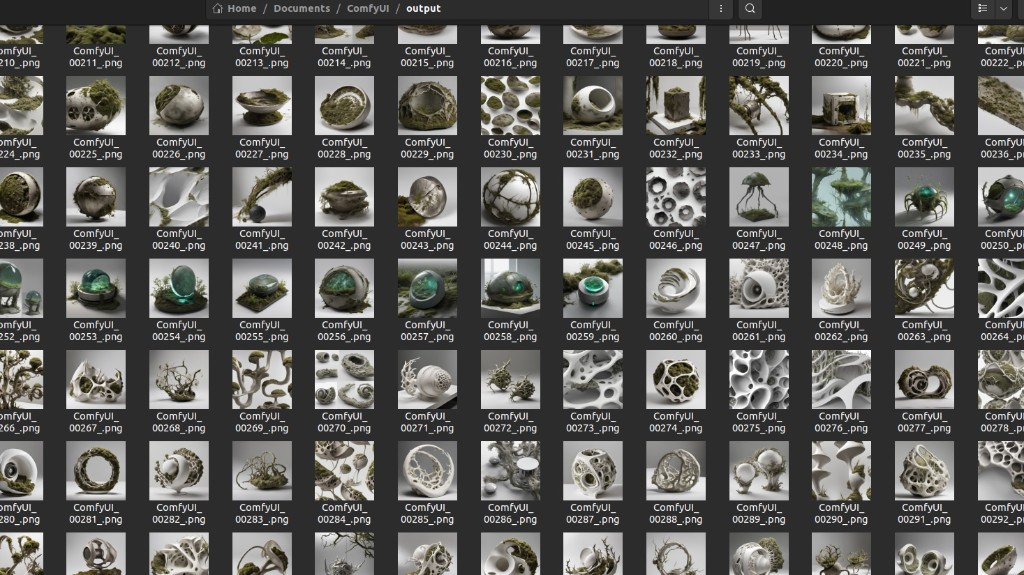
settler-native-slave is a long-term research-creation project exploring the intertwined paths of Black and Indigenous resistance to algorithmic oppression through embodied sonic agents and generative digital fabrication. Scholars Eve Tuck and K. Wayne Yang describe settler colonialism as an “entangled triad structure of settler-native-slave.” However, historical narratives about Indigenous and Black peoples often focus solely on their interactions with European settlers. This oversimplified perspective distorts history, obscuring the complex cultures, politics, and relationships that developed between Indigenous and Black communities across the Americas. As a result, it limits the possibilities for collective, liberatory futures.
settler-native-slave applies the histories of marronage—particularly the stories of runaway slaves who escaped into the “wild” of the Great Dismal Swamp to form liberated communities—to machine learning. This approach seeks to unmoor technology, transforming it into a generative tool for liberation. While the French etymology of the word maroon conveys a sense of abandonment without resources, the so-called wild was far from empty. Indigenous communities had inhabited the swamps for millennia, leaving behind material artifacts and place-based knowledges that not only aided Maroon survival but also fostered their thriving.
1 of 7: settler-native-slave still 1
The project builds upon my previous work in developing autonomous sonic agents, which use sound classification, generative audio models, tiny LLMs, Raspberry Pi’s, and sound spatialization software to create compelling sonic fictions. These sonic fictions are told through the physical appearance of the sculptures, the emitted sounds, the generated stories displayed on the Raspberry Pi screens, all within the soundscaped gallery environment. Through hands-on critical making with AI, I come to ask how AI systems rather than flattening may amplify cultural diversity and relationality, in particular the preservation and revitalization of Black and Indigenous knowledge systems, language and futures-oriented oral traditions.
The development of settler-native-slave was initiated as part of the ChantierIA residency at the art center Sporobole in Sherbrooke with the support of the Indigenous-led Abundant Intelligences research program at Concordia University.